







What clogs Eco-Service clears: from the bathtub to the sewer riser
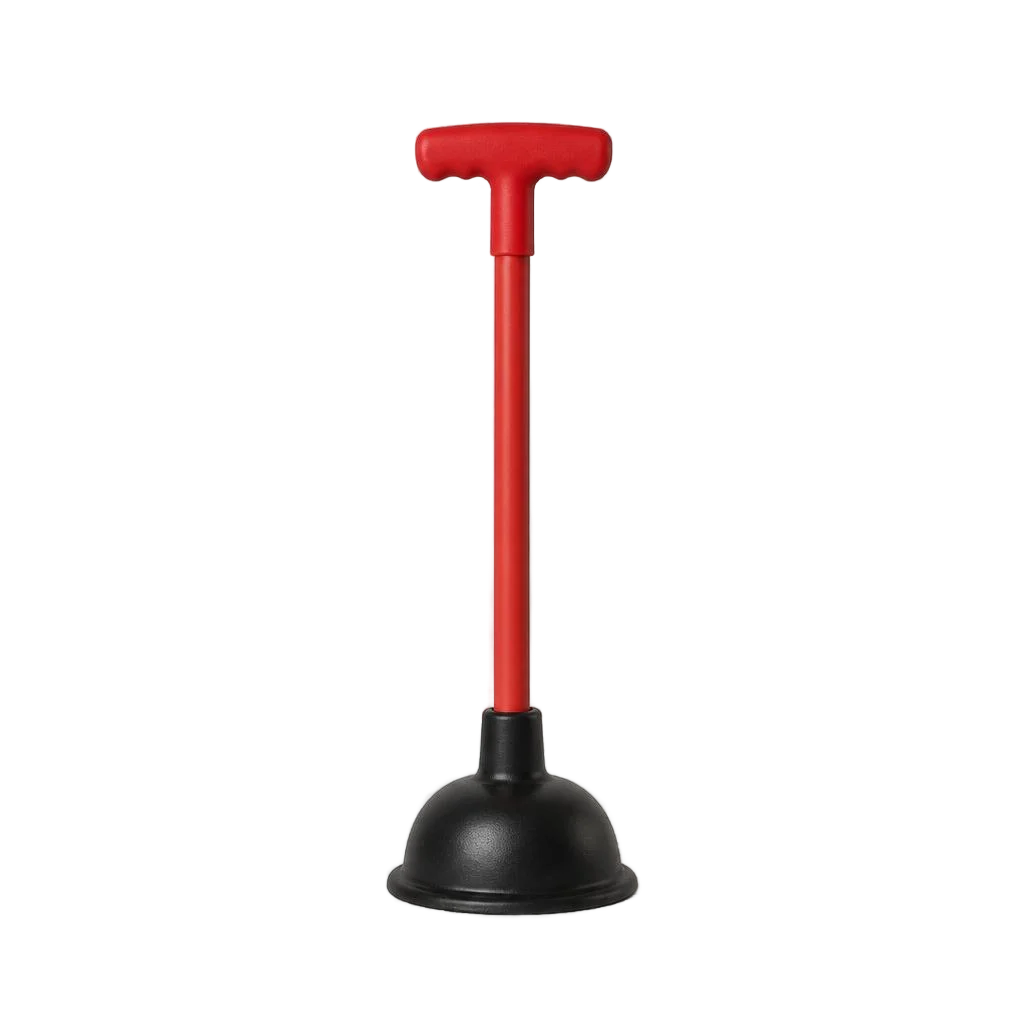
A clog is not just "water in the toilet bowl." In an apartment or house there are more than ten points where water backs up, and each one requires its own tool: from a plunger for a siphon to hydro-jetting for a basement lateral line.
Plumbing clogs in an apartment: where water most often backs up
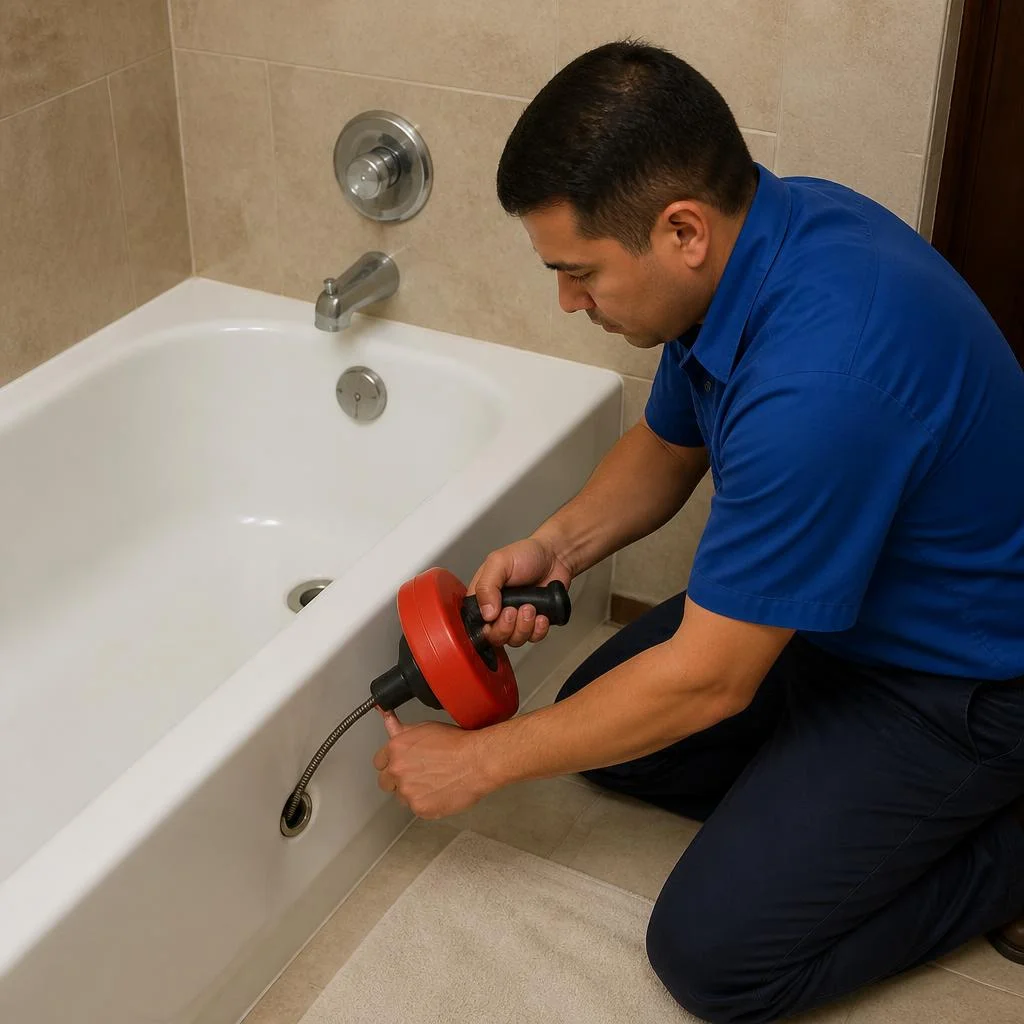
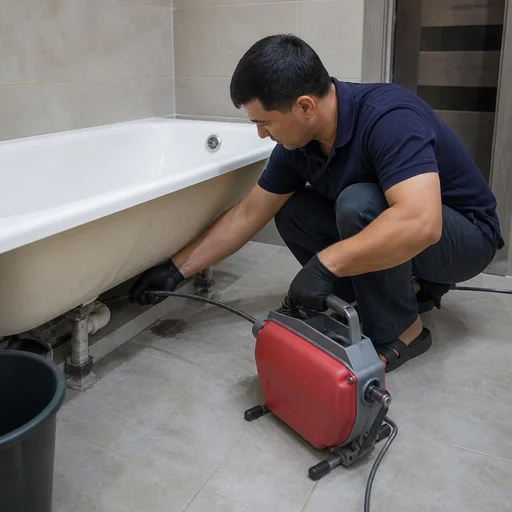
- Bathtub clog: hair and soap scum settle on the walls of the drain line, water drains more and more slowly, then stops completely.
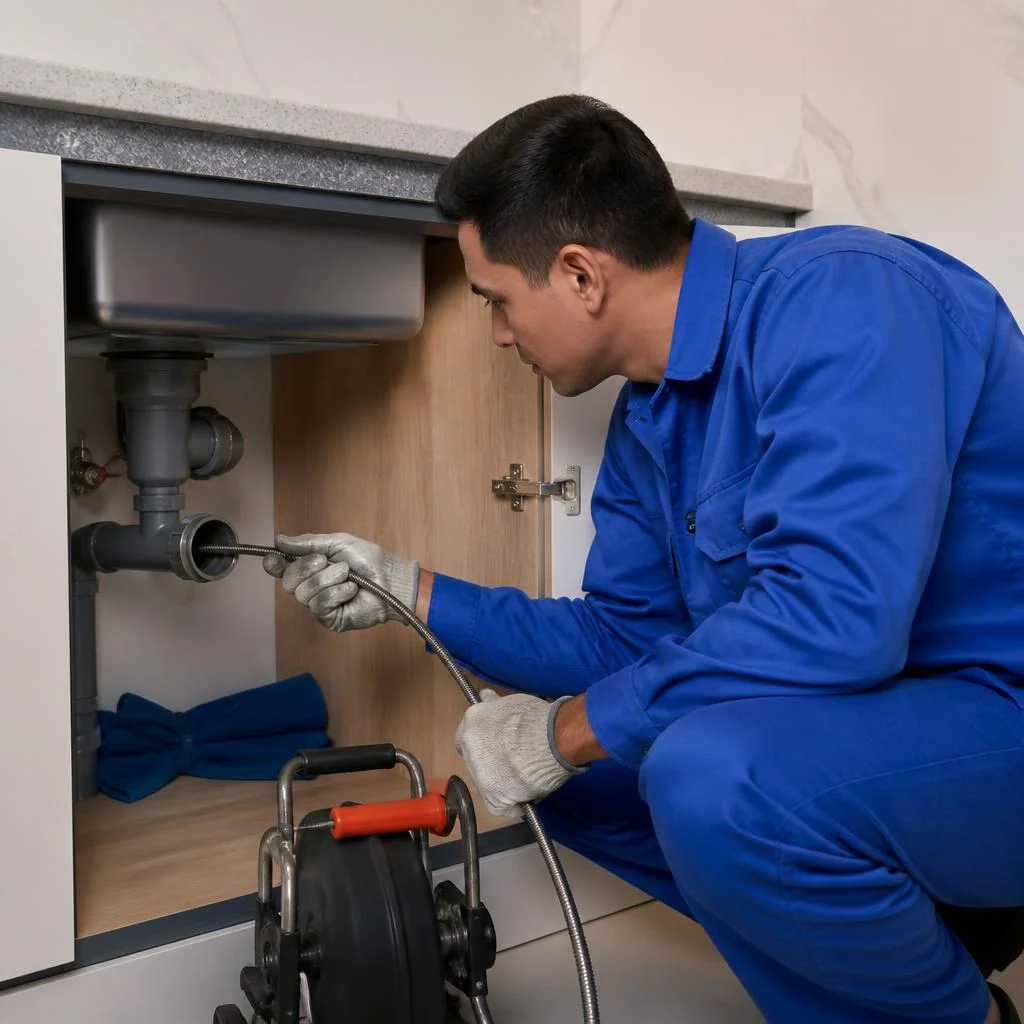
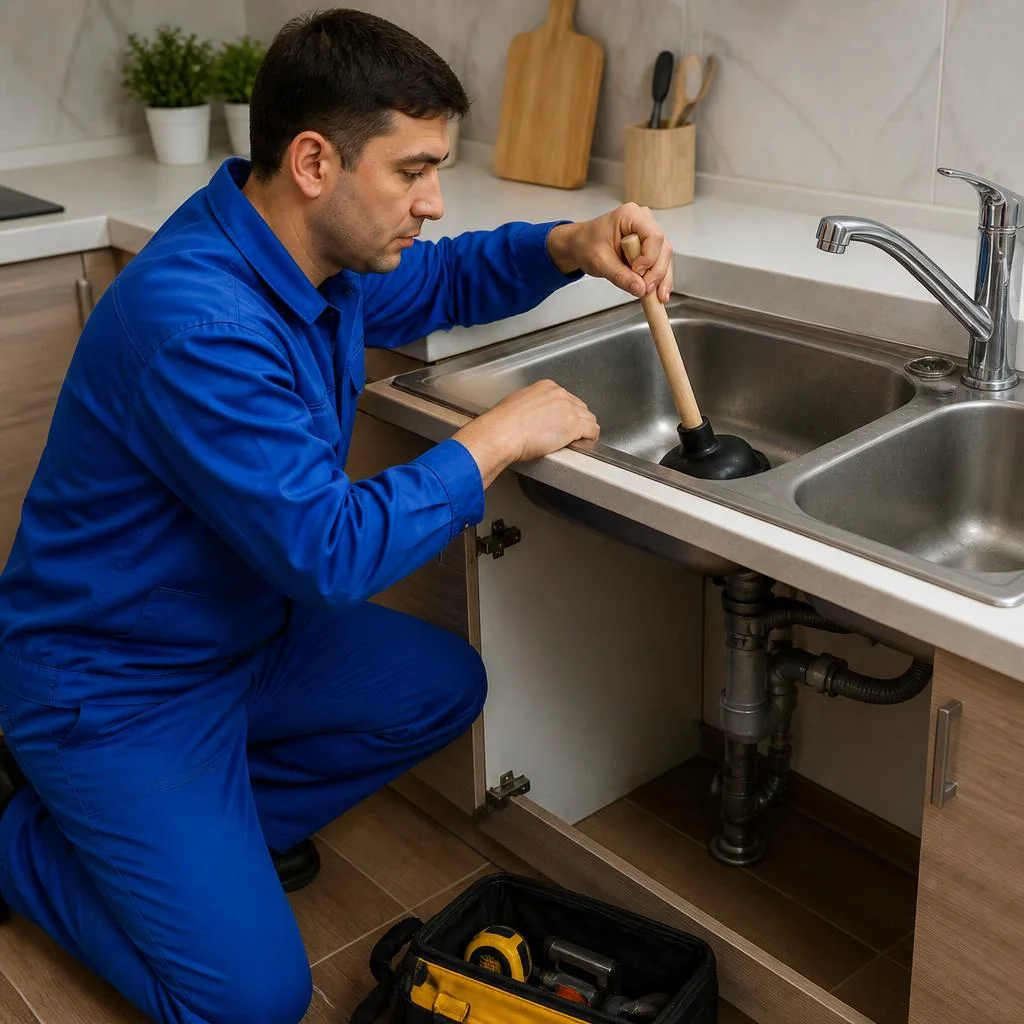
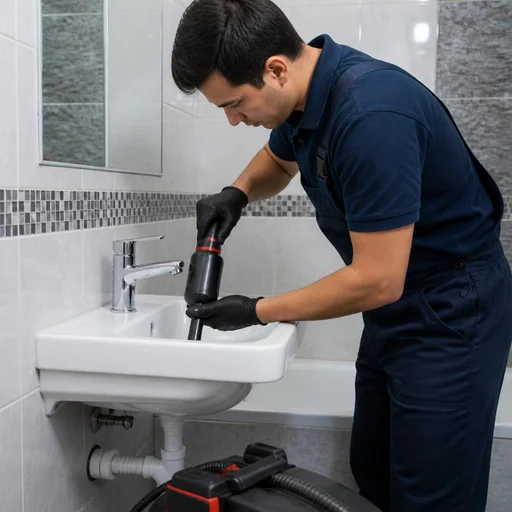
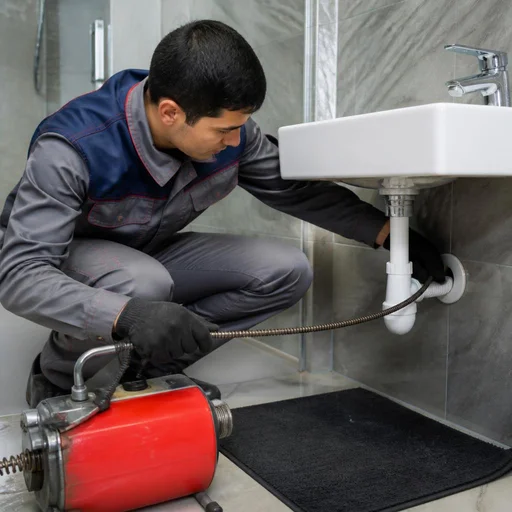
- Sink clog: toothpaste, soap and small debris clog the bend of the siphon — clearing with a cable takes 20-30 minutes.
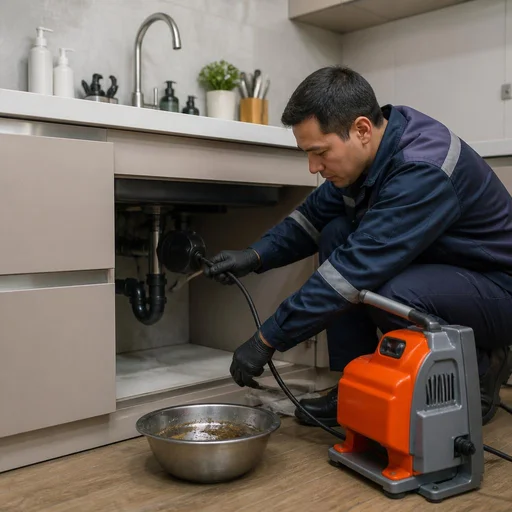
- Kitchen sink clog: grease solidifies in the drain line and on the pipe walls, the narrowing builds up over weeks until it becomes a complete blockage.
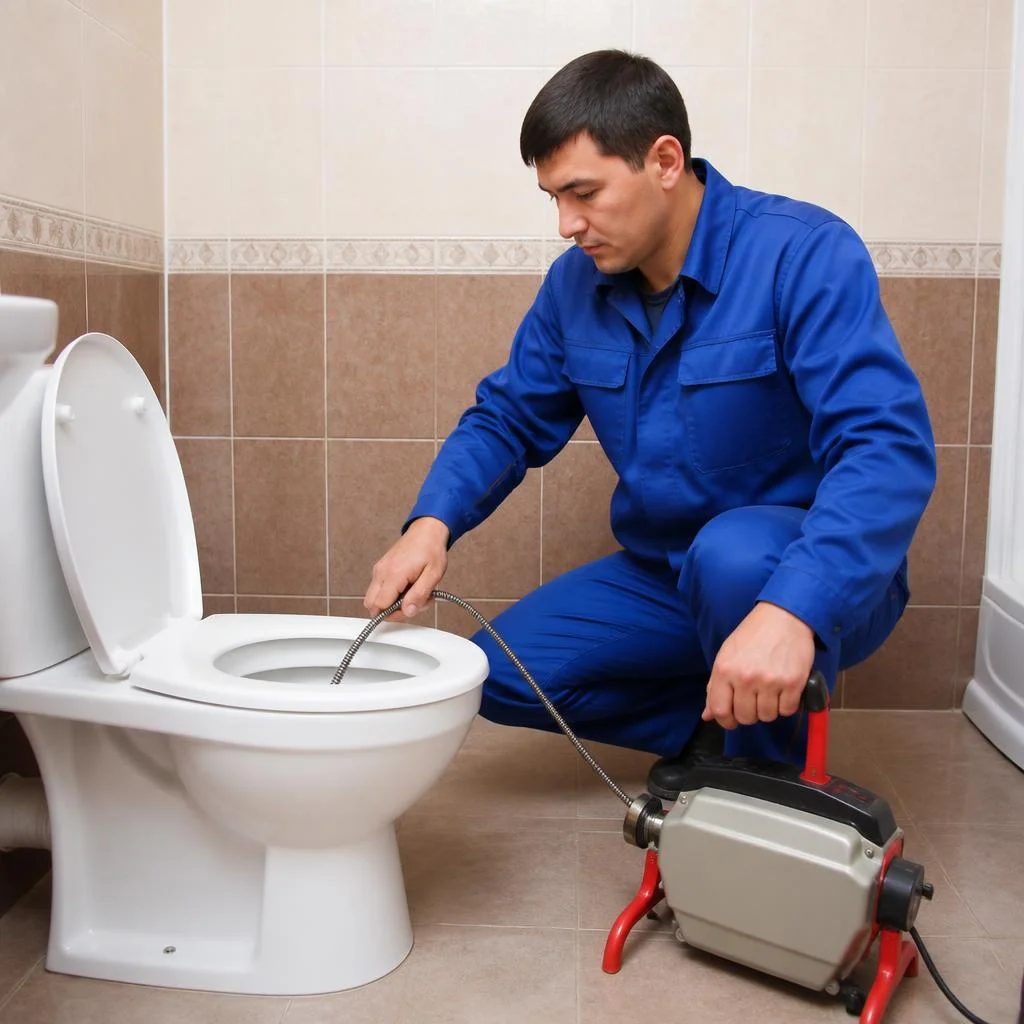
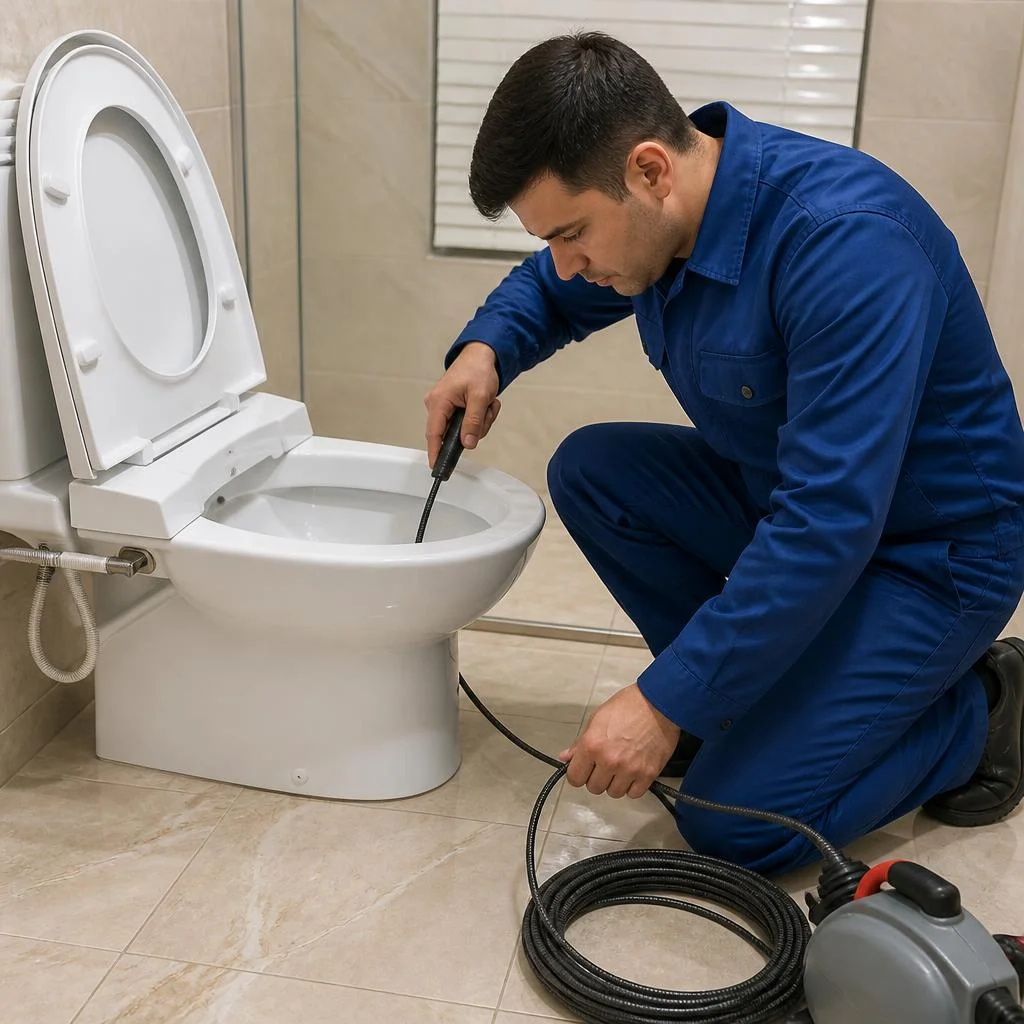
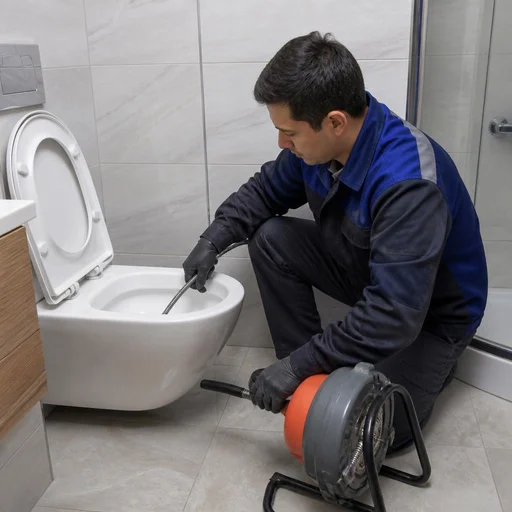
- Toilet clog: a dense plug of paper and solid waste requires an electromechanical cable; a plunger only compacts it further.
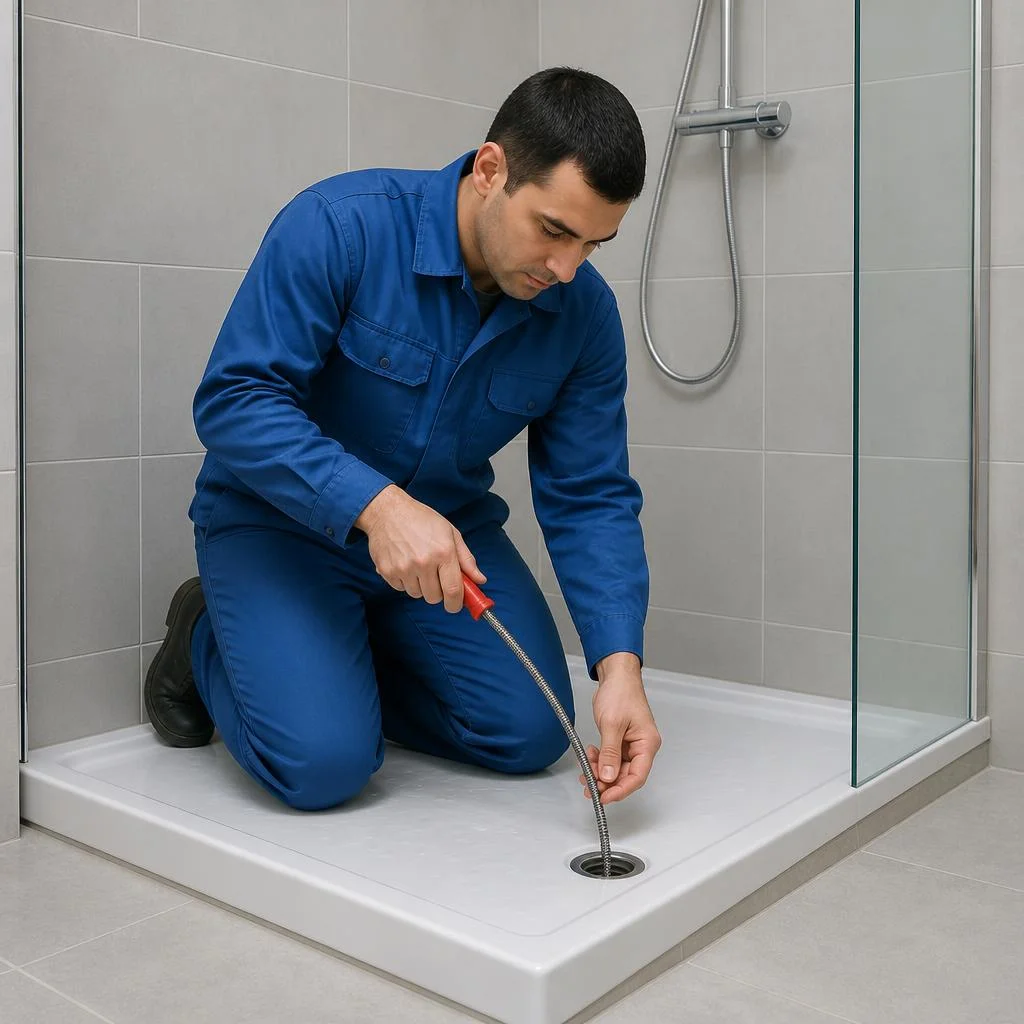
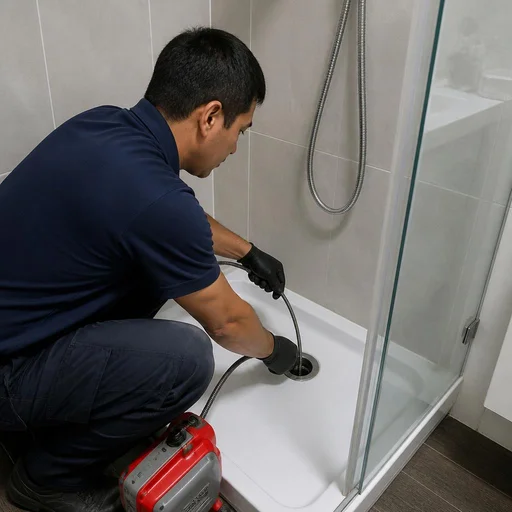
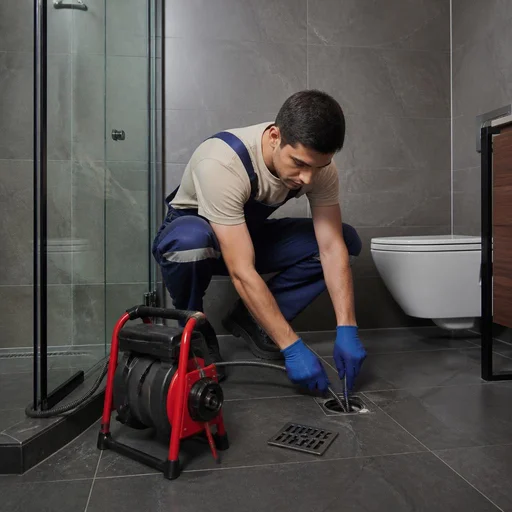
- Shower tray clog: sand, hair and hard-water scale clog the drain and the drain grate.
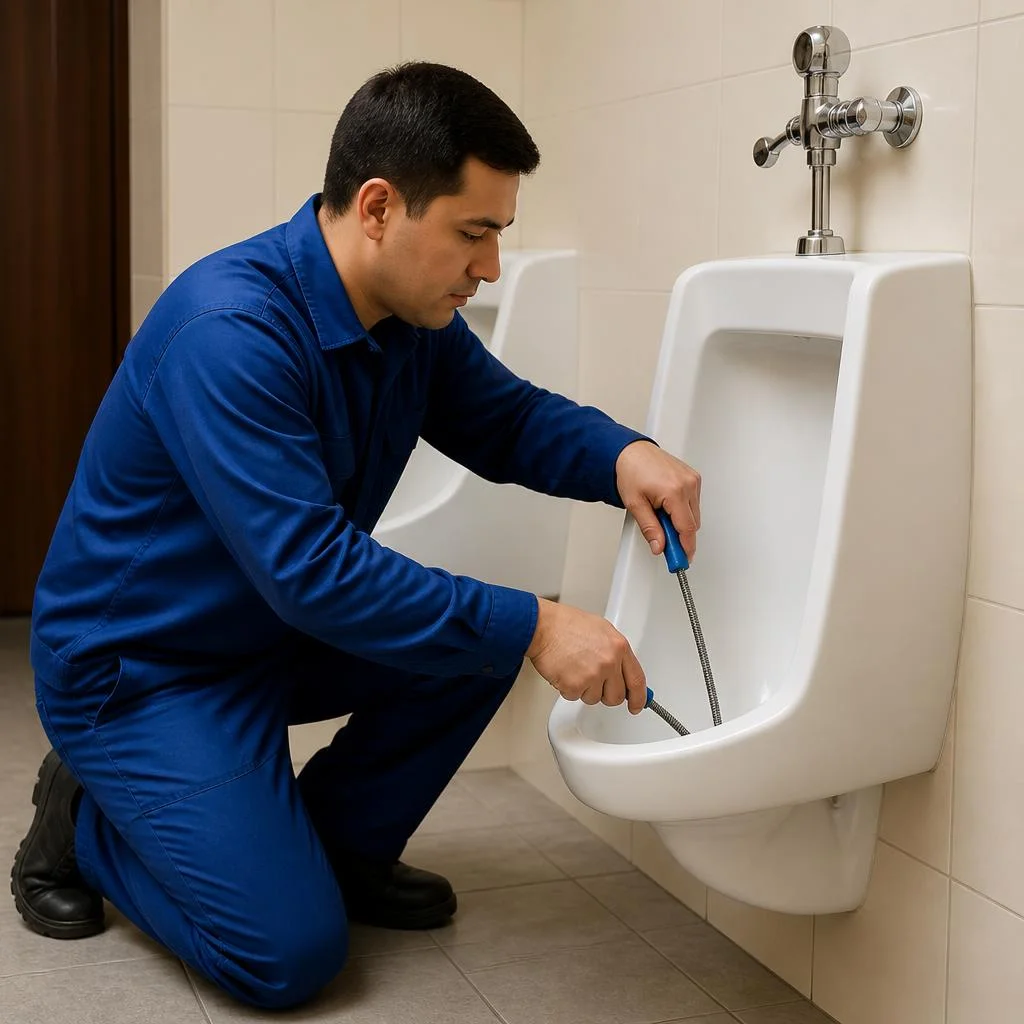
- Bidet and urinal clog: a mixed deposit of limescale and organic matter narrows the nozzles and the drain; the unit needs to be disassembled.
- Floor drain clog: silt and construction debris after renovation settle in the trap; water drains with a gurgling sound.
Appliance clogs: washing machine and dishwasher
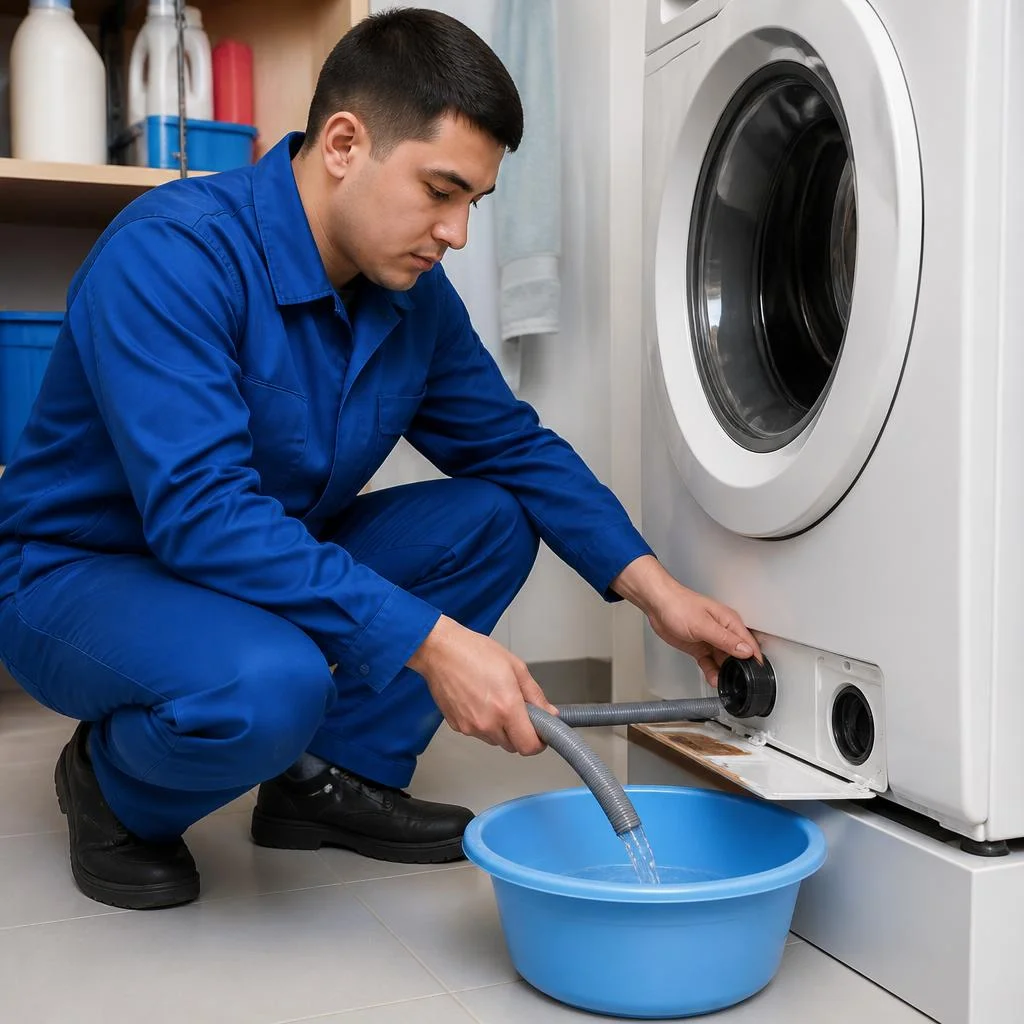
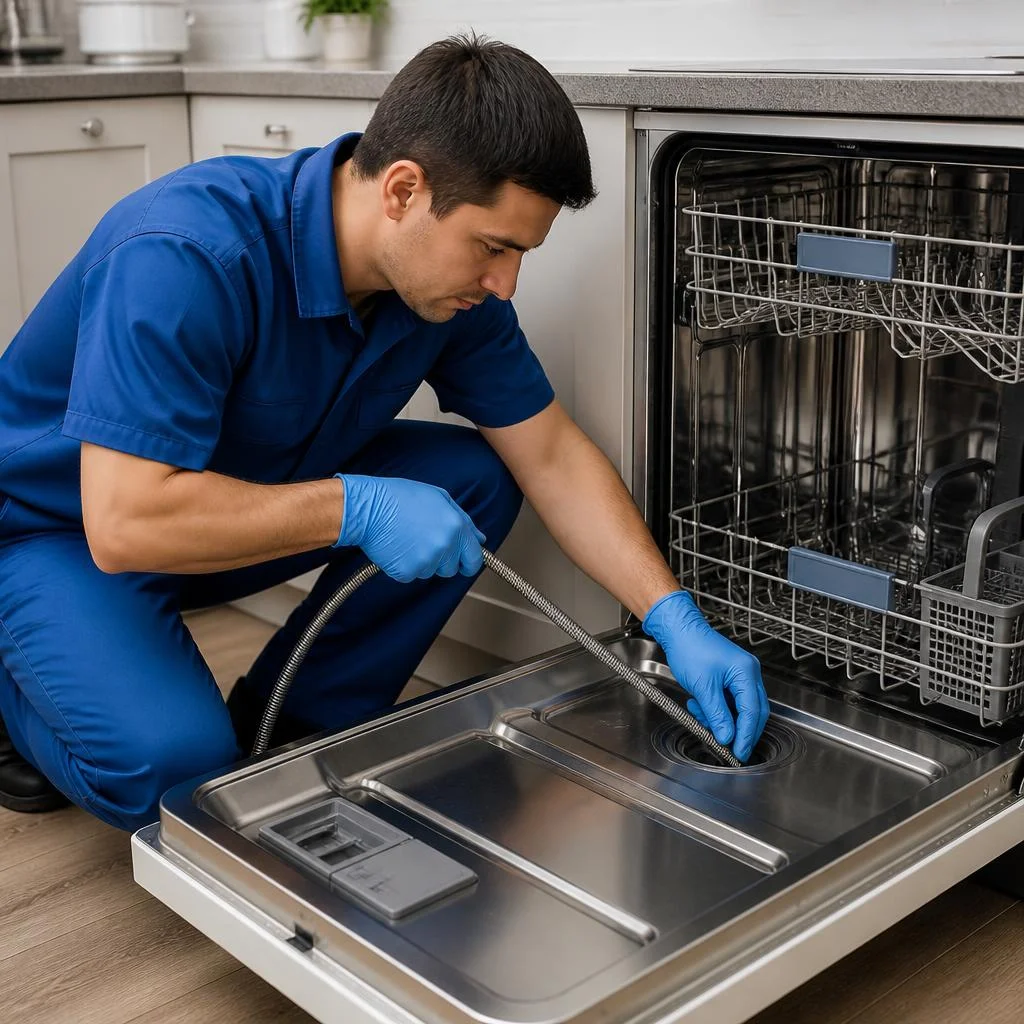
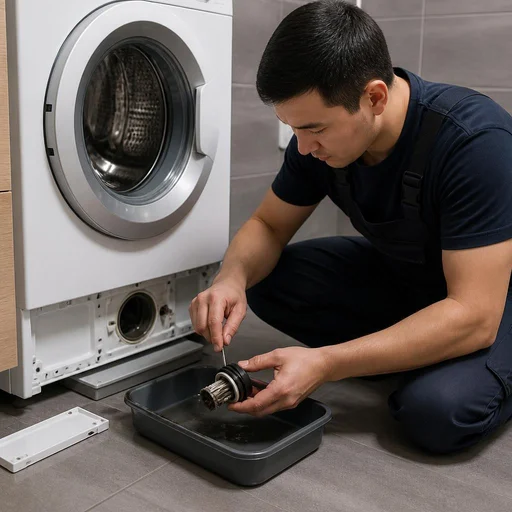
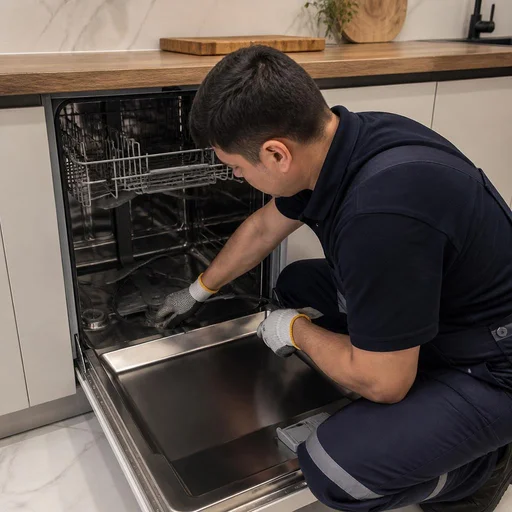
We clear the drain hoses, filters and siphons of washing machines and dishwashers without removing the appliances from their place. A washing machine clog most often forms in the filter trap near the floor and in the drain corrugated hose: lint, coins, bra underwires and soap stone block the flow within 3-6 months of washing. In dishwashers the plug settles in the drain hose and on the filter mesh — grease from the dishes solidifies there in a dense layer, and the drain cycle is interrupted midway. Clients often find us with the query "clog clearing price" — and land on a page that describes all the work points. If the machine hums and does not drain, first check the filter trap near the floor, not the appliance itself: 8 out of 10 "breakdowns" turn out to be a drain clog, not a burnt-out pump. So before calling an appliance technician, make sure the drain into the sewer is clear — this will save you the diagnostic fee and the money for unnecessary disassembly.
Sewer pipes, risers, lateral lines and outlets — table of clearing points
| Point | Location | Typical tool | What we check |
|---|---|---|---|
| Pipe in the apartment | under the sink / bathtub | cable, plunger | siphon, drain line |
| Kitchen riser | kitchen shaft | cable, hydro-jetting | grease layer |
| Main riser | building plumbing shaft | hydro-jetting | floor of the blockage |
| Lateral line | building basement | hydro-jetting | slope, deposits |
| Outlet | yard, manhole | hydro-jetting | roots, silt |
| Storm / drainage | yard, sump pit | hydro-jetting | sand, leaves |
In building sewer systems we work with four levels: the pipe in the apartment, the kitchen and main riser, the lateral line in the basement, and the outlet into the yard. The price for clearing depends on the point and the method — the technician gives the final figure after on-site diagnostics.
Why clogs occur: causes and specifics of Tashkent's sewer system
A clog is always a consequence: either household debris or an aggressive environment inside the pipe. In Tashkent, two local factors add to the household causes — hard water and old cast-iron risers. Let's examine each group of causes separately.
Household causes: grease, hair, food waste
- Grease deposits: in the kitchen, grease doesn't wash away with the water but sticks in a layer on the walls of the sink and the drain pipe, narrowing the passage.
- Hair and soap scum: in the bathroom, hair catches on the roughness of the pipe, and soap glues it into a dense clump that blocks the passage within 2-3 months.
- Food waste: grains, coffee grounds, peelings and eggshells settle in the siphon and at the first bend of the pipe.
- Hygiene products: wet wipes, cotton pads and dental floss don't dissolve in water and act as a net-trap for other debris.
Hard water and limescale — a Tashkent factor
Water in Tashkent is hard: calcium salts settle on the walls of pipes and over 2-3 years narrow the passage more noticeably than in regions with soft water. Limescale coats not only faucets and shower heads, but also the inner walls of steel and plastic drain pipes — the layer grows from 0.5 to 2 mm, and at bends and in siphons it is thicker. The rough surface works like sandpaper: grease, hair and soap scum cling to it three times faster than to smooth plastic. When searching, clients often type "clog cleaning in Tashkent" — and land on a service page that describes exactly this problem. For this reason, preventive flushing in Tashkent apartments is done more often than once a year — especially if filters are installed only for drinking water and not for the entire inlet. Clearing clogs in hard water requires not only punching through the plug, but also removing the limescale layer from the walls.
Old cast-iron risers and root overgrowth in the yard
In Tashkent's old housing stock, cast-iron risers are rough on the inside, and in yards tree roots grow into the joints of the outlets — these are two causes that cannot be solved with household products. Cast iron lasts for decades, but its inner surface becomes overgrown with rust and biofilm, and the bell-and-spigot joints gradually lose their tightness. The roots of mulberry, elm and poplar reach toward moisture and penetrate inside through microcracks in the sewer outlet, forming a dense felt-like tangle. Cast iron must not be cleaned with aggressive chemicals — acid corrodes the joints and accelerates destruction, so on such risers we work only with a mechanical auger and hydro-jetting.
Clog removal methods: cable, hydrodynamics, CCTV inspection
The method is chosen based on the type of blockage and the pipe material. Below are three working tools and one auxiliary tool that should not be taken as the main one.
Mechanical cleaning with an electromechanical cable
An electromechanical cable breaks up dense blockages — hair, soap stone, food waste — in small-diameter pipes and apartment branch lines. Mechanical cleaning is done with attachments suited to a specific material: for plastic, a rubber spiral is used; for cast iron, a cutter; for a steel branch, a reverse cone, so as not to leave scratches on the walls. The cable passes through 45- and 90-degree bends where a plunger cannot reach, and works at lengths up to 30 meters with diameters from 32 to 110 mm. In our practice, on kitchen sinks in Tashkent, a cable clears a grease blockage in 15-20 minutes. The cable punches through a channel but does not wash deposits off the walls: without subsequent hydrodynamics, the clog returns after 2-3 months.
Hydrodynamic cleaning of pipes, risers and horizontal runs
A high-pressure hydrodynamic machine washes grease, silt and limescale off the entire inner surface of the pipe — from the apartment branch line to the horizontal run in the basement. The unit supplies water at pressures up to 150 bar with a flow rate of 15-20 liters per minute: this is enough to remove a layer of grease 2-3 mm thick, which a cable only pushes through. Hydrodynamic cleaning covers diameters from 50 to 300 mm, so it is used for kitchen risers in multi-story buildings, horizontal runs and outlets where grease stone accumulates. We work with attachments: rotary for dense deposits, chain for roots, angular for bends. Hydrodynamics must not be applied to old cast-iron joints at maximum pressure — the technician selects the mode based on the condition of the pipe, otherwise there is a risk of breaking the connection.
CCTV pipe inspection: diagnostics before cleaning
Before complex cleaning, we lower an inspection camera into the pipe and see on the screen exactly where the blockage is sitting, whether the pipe is intact and whether there are roots. A pipe CCTV inspection camera on a flexible probe travels up to 50 meters, records video with lighting and allows measuring the clogged section — diameter 40-200 mm. The recording is saved and given to the client: it shows whether there is damage to the wall or whether it is only deposits. CCTV inspection saves a visit — without it, a technician sometimes cleans a section that is clean, while the real clog remains further down the riser. For scheduled diagnostics on long horizontal runs, we advise recording video in advance.
Chemical agents and folk methods: where they don't work
- Fresh thin clog: household alkali-based products soften hair and soap in a sink if the blockage formed within the last few days.
- Grease layer: chemicals run down the walls and do not remove deposits — mechanical or hydrodynamic cleaning is needed.
- Roots in the yard: neither gel nor granules dissolve root growth in the horizontal run and outlet; they are cut by a cable with a cutter.
- Baking soda with vinegar: the reaction produces fizzing and pressure, but does not clear the blockage deeper than the siphon — the effect is visible only at the sink drain.
- Plunger: works on a short section and is good for a toilet clog, but is powerless against a riser.
- Cast iron and seals: aggressive products corrode old cast-iron joints and rubber gaskets; after them the pipe starts to leak, and repairs are added to the clog.
How an Eco-Service technician call-out works: from request to inspection
Requesting a call-out is simple: request, visit, diagnostics, work, inspection. Below is what happens at each step, what information the dispatcher needs, and why following these stages affects the result of the cleaning.
Request and visit: how to call a technician
- Round-the-clock intake: Eco-Service accepts requests at any time of day, including nighttime emergency calls when water is standing in the toilet or rising from the floor drain.
- Response time: a technician arrives the same day in Tashkent; in an emergency at night, the dispatcher puts the call first in line.
- What to tell the dispatcher: the location of the clog (sink, bathtub, toilet, riser) and the floor — based on this information, the tool and cable length are selected immediately.
- Service center: our own center operates in Tashkent, so the technician arrives with their own equipment rather than looking for it at the address.
- Confirmation: before the visit, the dispatcher confirms the address and approximate arrival time so no time is wasted on site.
On-site diagnostics and choice of method
On site, the technician inspects the clog location, checks the neighboring drains, and by the behavior of the water determines where the blockage is — in the siphon, the branch pipe, or the riser. If water drains slowly at all points in the apartment, the clog is in the riser, and cleaning only the sink is pointless; this is the first sign that makes the technician change the plan. Next, they check the slope of the branch pipe and the pipe material: on a cast-iron riser in an old building, an electromechanical cable works, while on a plastic branch pipe with a grease film, hydrodynamic pressure flushing is used. If root growth in the yard or a displaced joint is suspected, the technician offers a CCTV inspection to see the cause from the inside rather than guess. A clog in a washing machine or dishwasher is diagnosed separately — there the blockage is often caused not by the pipe but by the filter or drain hose. Based on the inspection, you are told the exact method, and the scope of work matches what is actually needed.
Work, result verification, and before/after photos
After cleaning, the technician runs water at all points and takes before/after photos so the client sees the result rather than taking their word for it. Check not only the point where the water was standing — ask them to run water in the neighboring drains: this shows whether a clog remains further down the riser. The photos record the condition of the pipe before and after the work: the image shows whether the grease layer has been removed from the walls or the cable merely punched a hole in the blockage. If after cleaning the water drains with a gurgling sound and a funnel but slowly, the technician repeats the flush — meaning some of the deposits remain. Cleaning also includes checking the slope: with a reverse slope of the branch pipe, water will stagnate again, and this is honestly reported before the work is finished. The final flush is done in your presence — so you immediately see whether the water drains in the same seconds as at a non-clogged point.
2-Year Warranty, Payment, and Clog Prevention
The result of the cleaning must last, not disappear "until the first grease." That's why we offer a warranty, transparent payment, and prevention tips that extend the effect of the technician's work.
2-Year Warranty on Clog Removal
Eco-Service provides a 2-year warranty on cleaning: if water backs up again in the same spot due to our fault, the technician will return free of charge. The repeat visit is documented with a work order and receipt — the document records the cleaning point, method, and pipe condition with photos. Coverage applies to both plumbing fixtures and household appliances: bathtubs, sinks, kitchen sinks, toilets, shower trays, washing machines and dishwashers, as well as risers, horizontal runs, and outlets. The period is counted from the date the work order is signed, not from the call to the dispatch center. Clients often search for "clog removal cost" — and land on our page, where the final price depends on the method, pipe diameter, and depth of the blockage. There is one condition: the warranty is valid when the client has not poured chemicals into the pipe or attempted to clear the clog themselves after our visit — these actions change the condition of the pipe. If you're unsure whether the clog has returned, call us first instead of reaching for a plunger.
Payment: Click, Payme, Uzcard, Humo
- Click: transfer from a card or wallet — convenient when the technician has already left and you're settling the bill remotely.
- Payme: payment by QR code right on site, the receipt arrives in the app instantly.
- Uzcard: a card from any issuing bank in Uzbekistan, including Kapitalbank, Ipoteka Bank, and Uzum Bank.
- Humo: the national payment system, works through ATMs and mobile apps.
- Cash: accepted on site with no commission, if paying with banknotes is more convenient.
Clog Prevention: What to Do Between Service Calls
- No grease down the sink: pour leftovers into a jar and throw it away rather than washing it down with hot water — that only pushes the blockage deeper into the pipe.
- Drain strainer: hair and food waste get caught on the grate instead of sticking to the walls of the siphon and riser.
- Hot water with baking soda: once a month, pour in half a cup of baking soda and follow with a liter of boiling water — the mixture softens the grease layer.
- Boiling water after washing dishes: run a liter of hot water down the drain while the grease hasn't cooled and hardened on the walls.
- Washing machine: once a quarter, run a cycle without laundry using citric acid — it removes scale from the heating element and hoses, and scheduled cleaning is still cheaper than an emergency call.
- Old cast iron: in Tashkent apartments, prevention is done once every six months, because the limescale layer accelerates grease buildup.
Eco-Service customer reviews and work quality control
For us, reviews are not a showcase but a working tool: we use feedback to adjust our visits and methods. Below, we'll look at where to read reviews and how quality control works.
Where to read reviews: Google Reviews and Yandex.Maps
Reviews of Eco-Service's work are collected on Google Reviews and Yandex.Maps — along with before/after photos and ratings for specific clog locations. Clients most often write about bathtub, sink, and kitchen sink clogs, less often about clearing sewer risers and horizontal runs, and in their texts they often mention how much clog removal cost in their case and whether the amount matched what was quoted when the request was placed. From the photos you can see what kind of pipe the technician worked with — cast iron, plastic, or steel — and how badly neglected the trap was. The rating is made up of dozens of scores, but more useful than the average score are detailed texts describing the situation. Read reviews with photos and the clog location indicated — they are more informative than general ratings: you can see how many visits it took the technician to resolve it and what method was used. When choosing a contractor, compare several reviews in your category — that makes it clearer whom to entrust a specific task to.
How Eco-Service controls work quality
Eco-Service's work quality is controlled by its own service center in Tashkent: it coordinates visits, stores photo reports, and reviews repeat requests. After clearing, the technician submits materials — before and after photos, the type of clog, the method used: electromechanical cable, hydrojetting, or CCTV inspection. The service center checks this data against the request and, if the method was chosen incorrectly, sends a specialist for a repeat visit. We separately review cases where water backs up again within the warranty period. A repeat warranty visit is not a failure but a signal: for each such request, we check whether the technician correctly selected the method for the type of clog. The review shows whether the site needs prevention of grease buildup or replacement of a pipe section.
Conclusion
We've gathered the essentials on dealing with blockages: what causes them, which method is used to clear them at each point, and which habits extend the life of pipes between technician calls.
Key takeaways
- A clog is a consequence, not an accident: grease, hair, and food waste cause most blockages, while hard water and old cast iron speed up their appearance.
- The method is chosen for the point: a cable for dense clogs in an apartment, hydrojetting — for risers, horizontal runs, and outlets.
- CCTV inspection is needed where the clog is not visible: in the basement and in the yard, it shows the cause before work begins.
- Chemicals and home remedies help only with a fresh, thin clog and harm old joints.
- Prevention is simple: drain screens, no grease down the sink, once a year — hot water with baking soda.